

MISTRESSPIECES

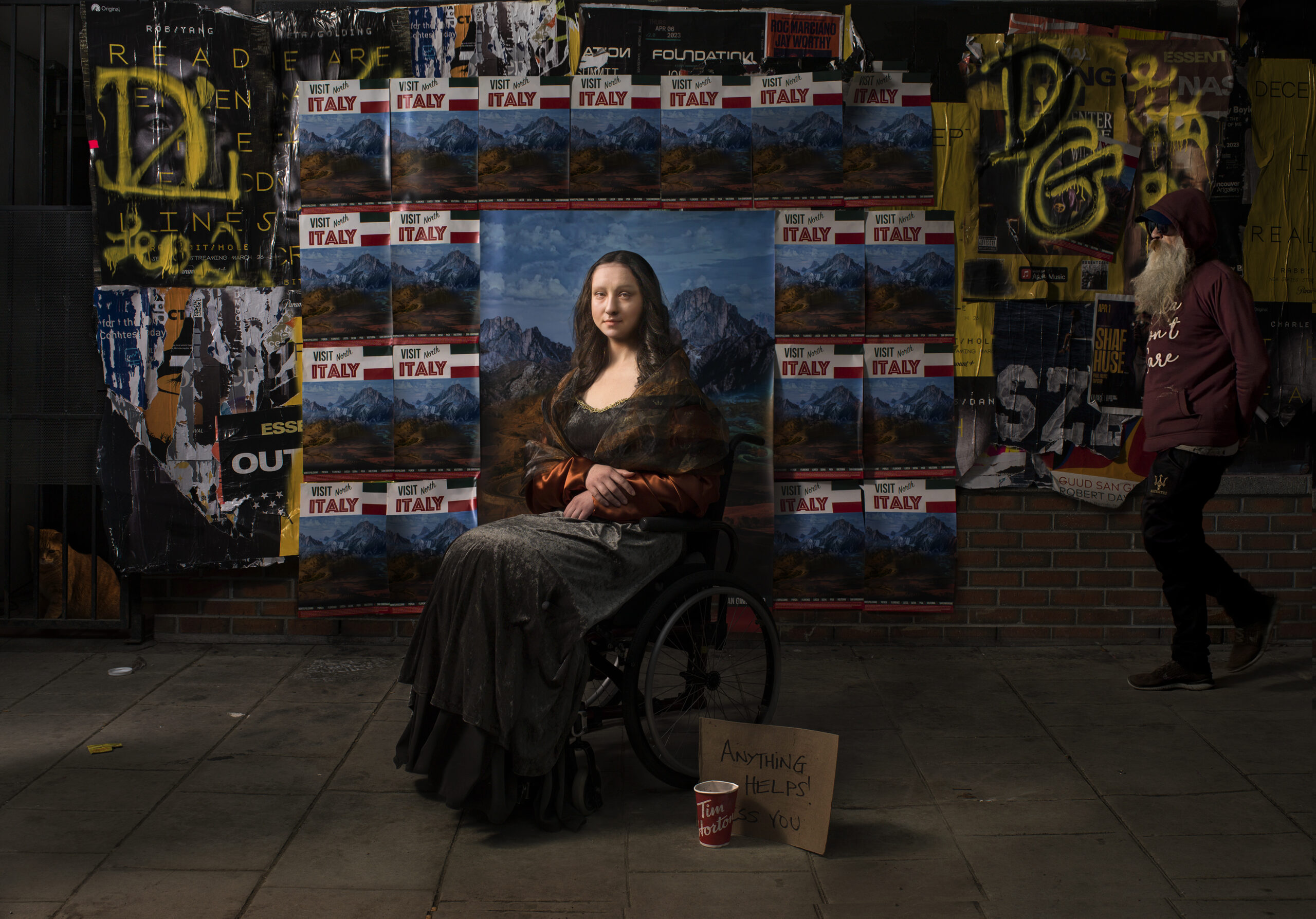
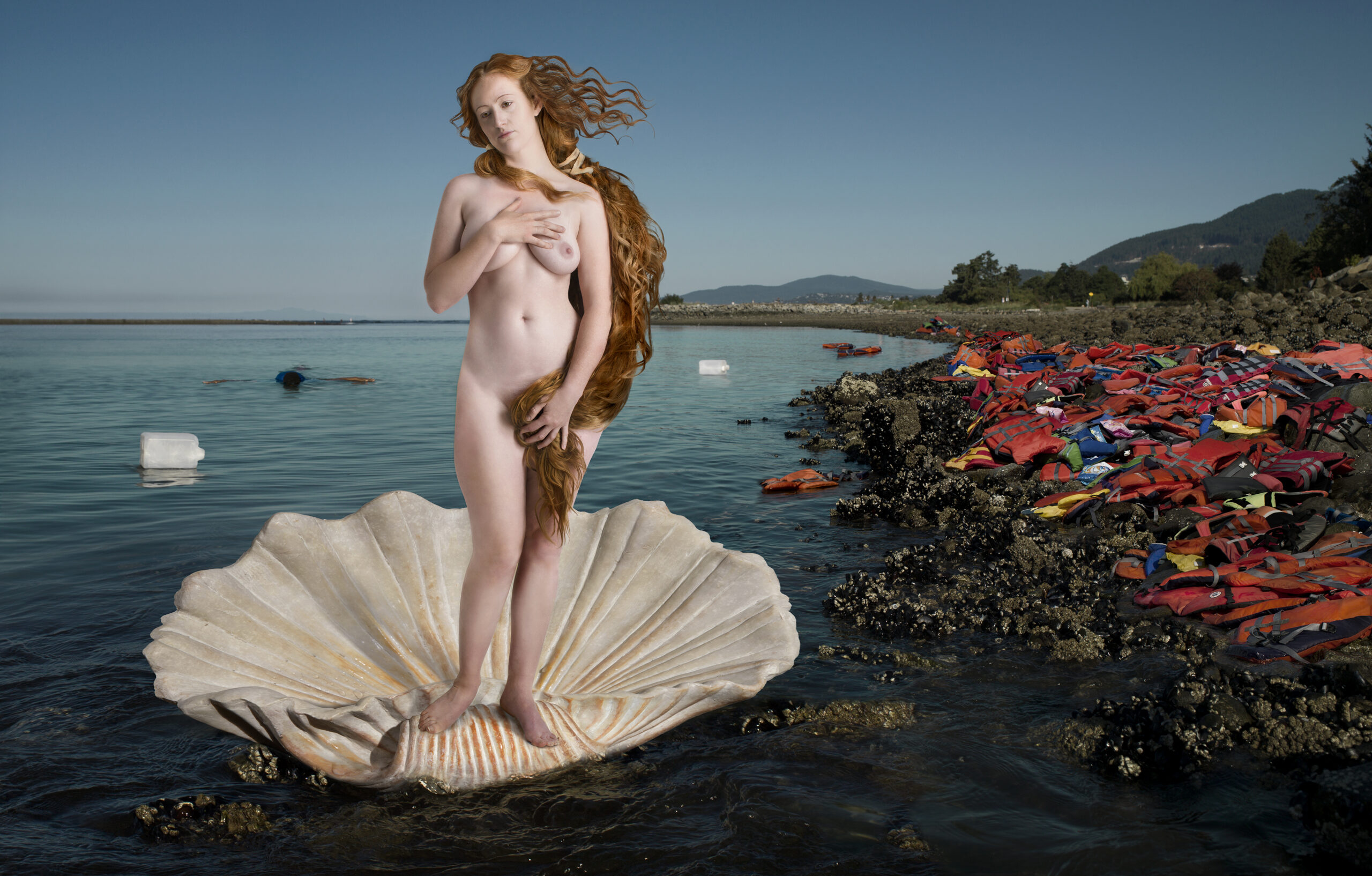
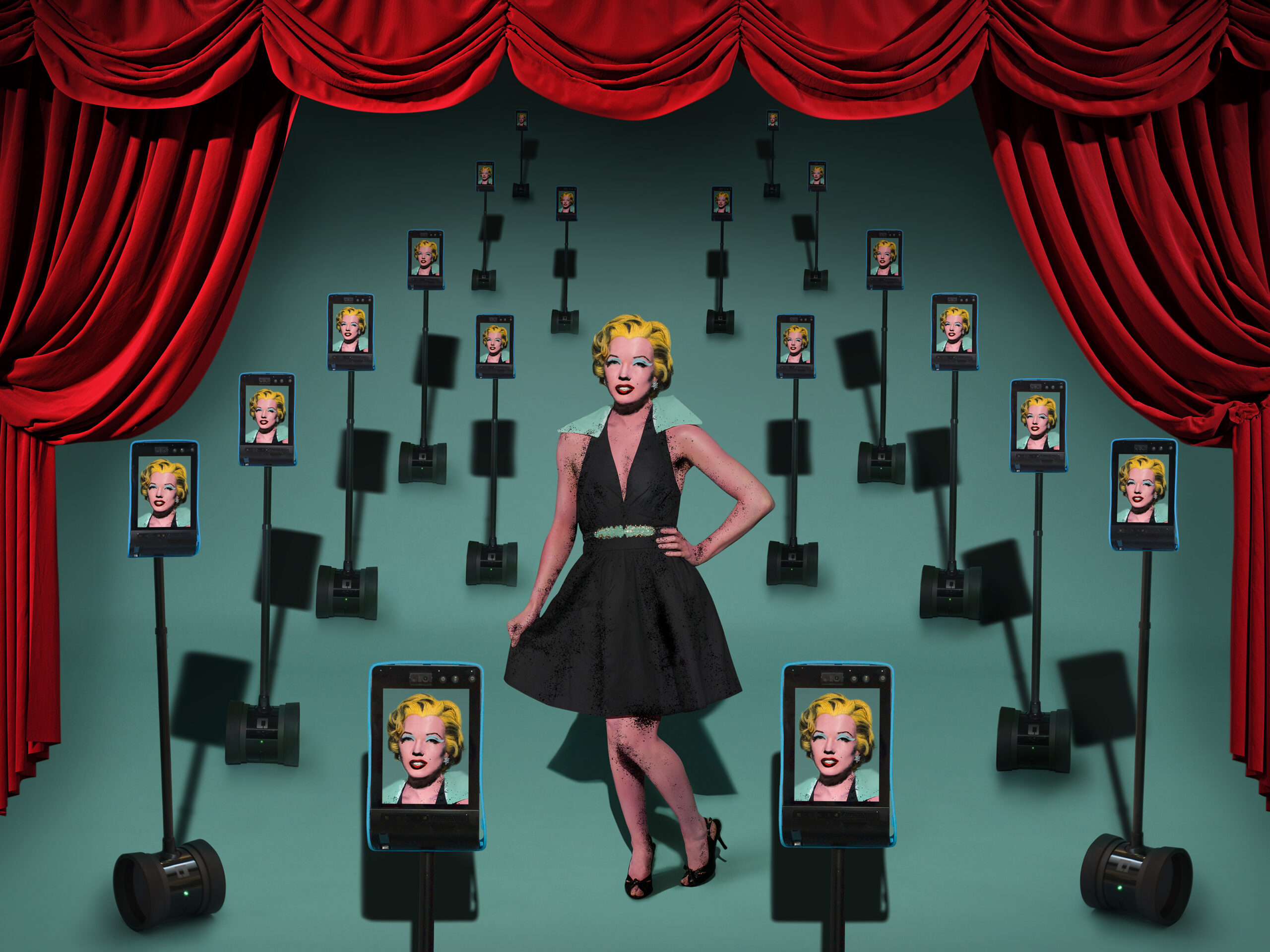
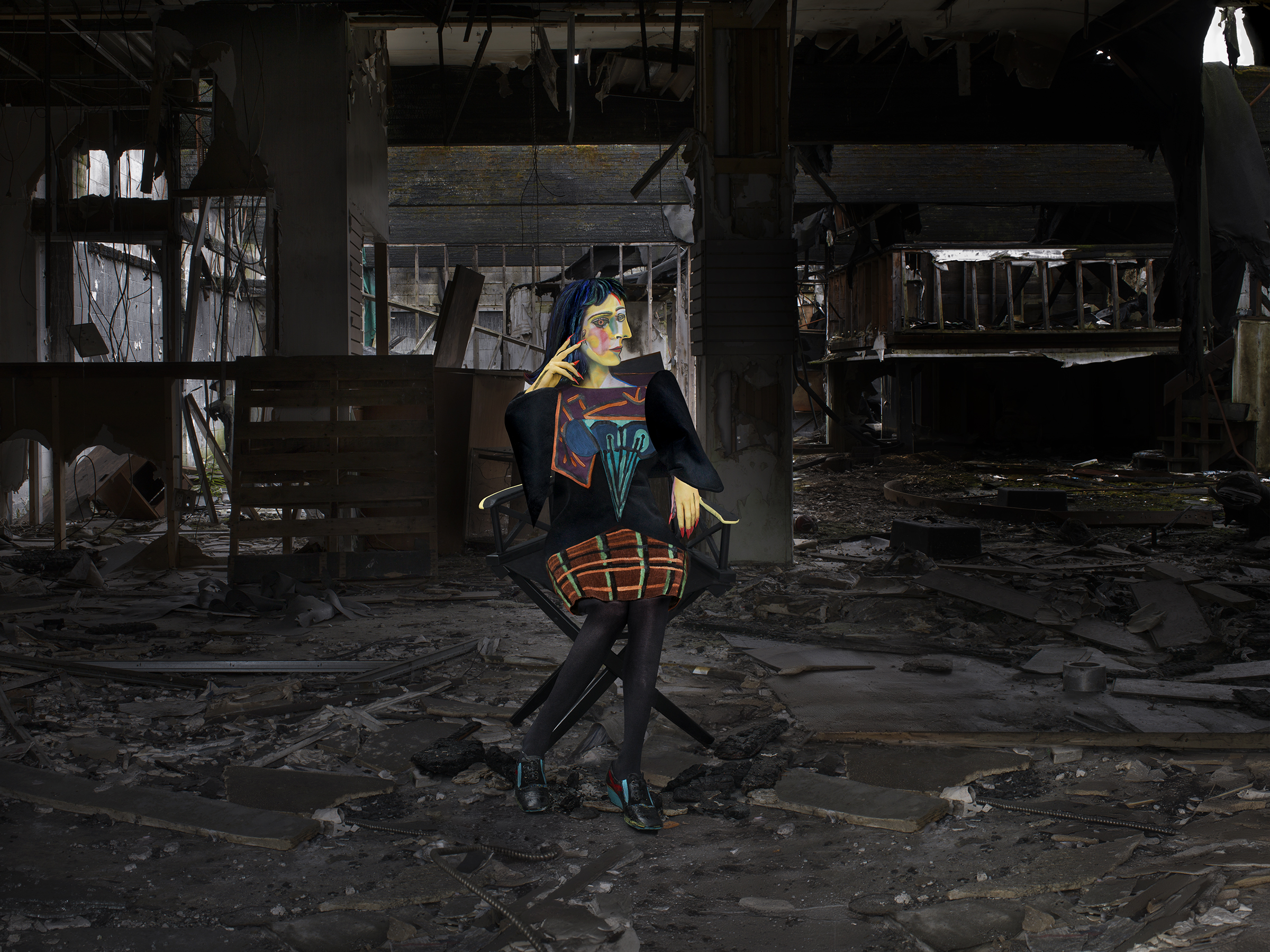
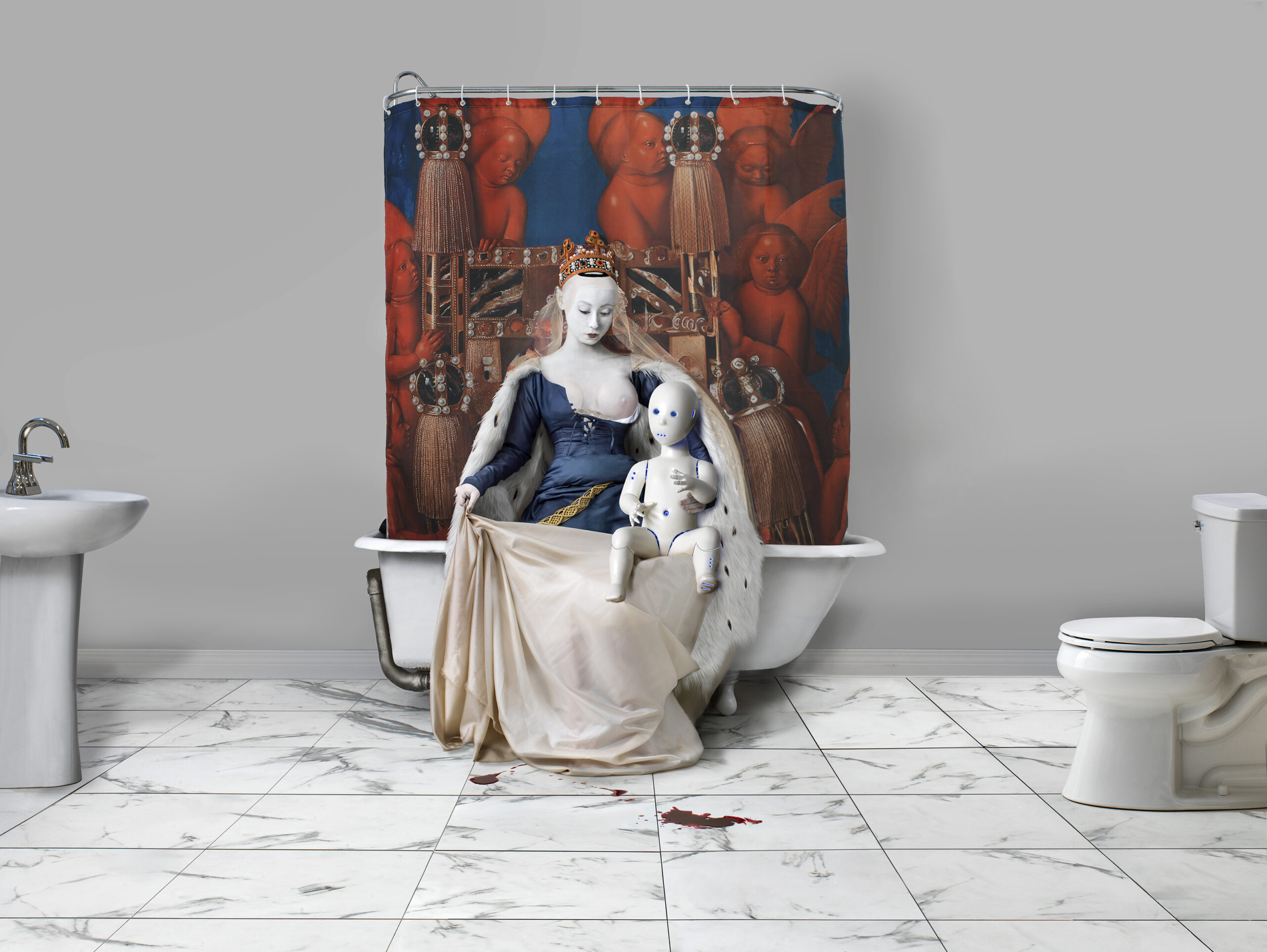
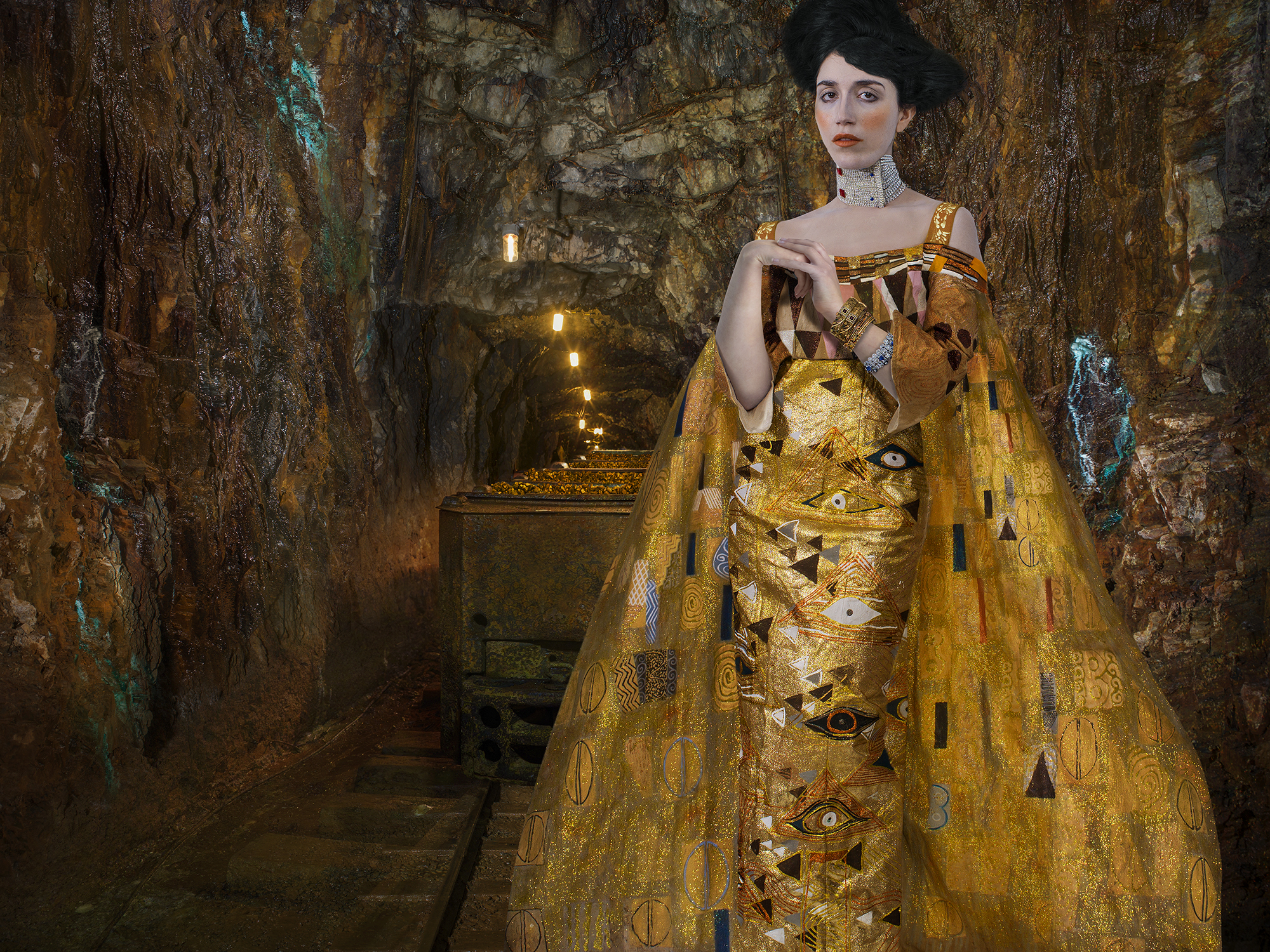
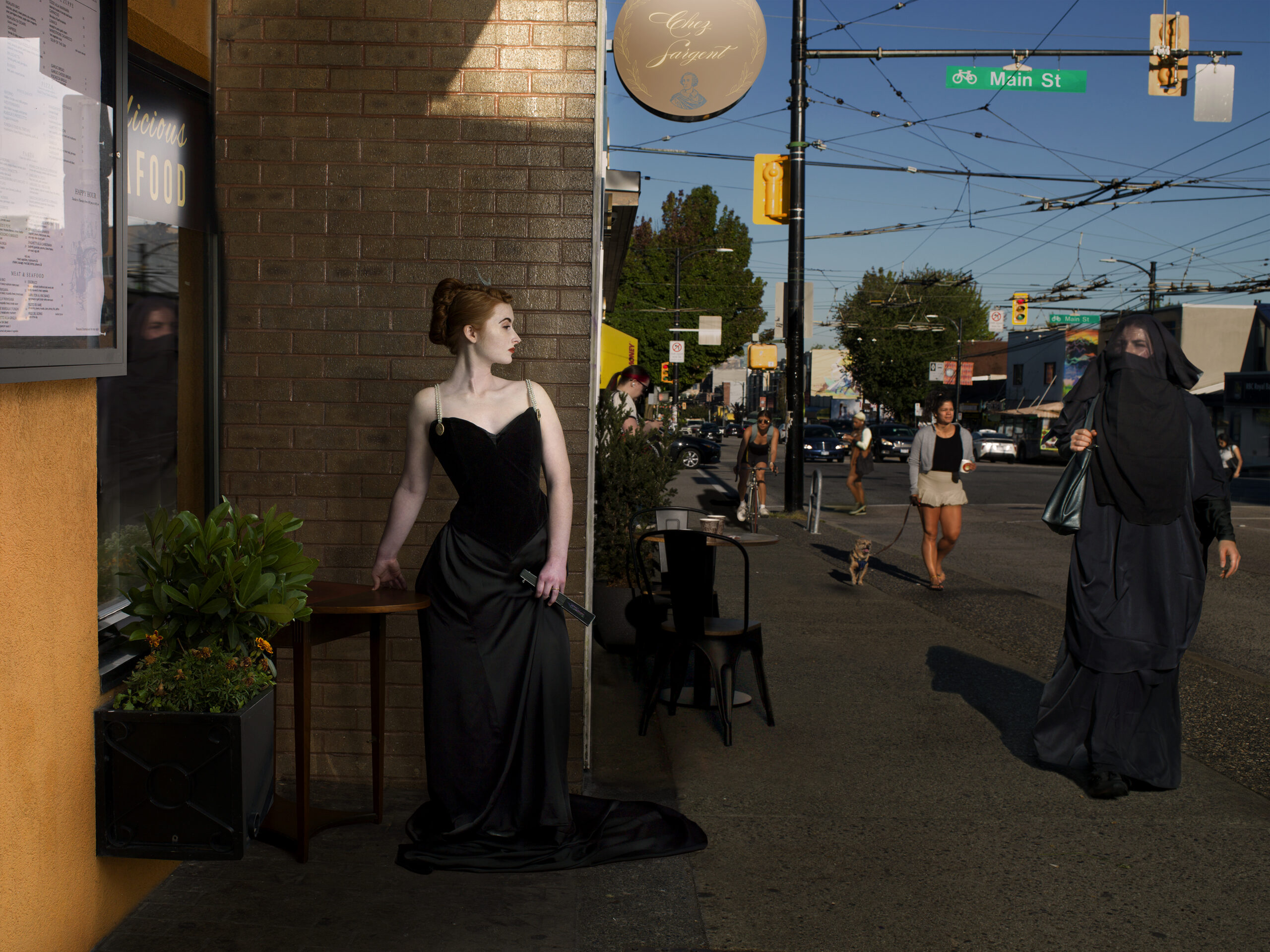
Throughout art history, male painters have often used the female form as a central subject, frequently portraying women as symbols of beauty, fertility, sensuality, and sometimes as allegories of nature, virtue, or vice. In many classical traditions, the female body was idealized, emphasizing graceful lines, soft curves, and proportion, as seen in works by artists like Titian and Botticelli. During the Renaissance, the depiction of the female nude became a way to explore humanist ideals and the mastery of anatomy, though these representations often reflected the male gaze, framing women as objects of desire rather than autonomous individuals. In later periods, such as the Romantic and Impressionist movements, female subjects continued to be portrayed, but with varying degrees of emotional depth, realism, or abstraction. In the 20th century, particularly within the Pop Art movement, male artists further explored the female form, often reducing it to stylized, commodified images that reflected consumer culture and mass media’s portrayal of women, emphasizing the tension between art, objectification, and the commercialization of the female body. While some male artists celebrated the female form with reverence or empathy, others objectified or fetishized it, contributing to ongoing debates about gender, power dynamics, and the portrayal of women in art.